
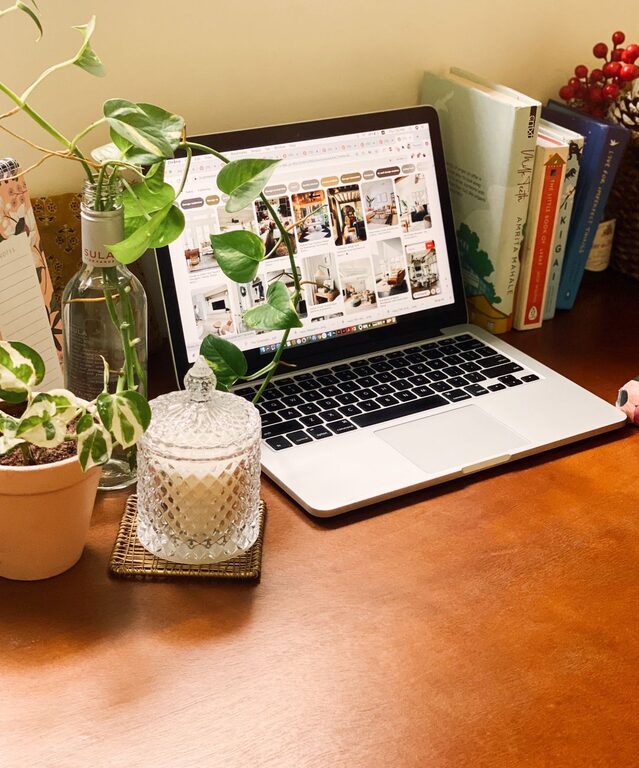
Creating a cozy and inviting home workspace is essential for many people who work remotely or spend time on personal projects. When your workspace feels comfortable and welcoming, it can enhance focus, reduce stress, and make working from home a more enjoyable experience. Whether you have a dedicated room or a small corner, these tips will help you design a workspace that fits your style and needs.
1. Choose the Right Location
The first step in crafting a cozy workspace is selecting a location that supports your work habits.
– Natural Light: Whenever possible, position your desk near a window. Natural light is known to improve mood and energy levels.
– Minimal Distractions: Find a quiet spot away from noisy areas like the kitchen or living room.
– Space and Size: Ensure you have enough room for your computer, office supplies, and any personal touches.
If space is limited, consider using room dividers or shelves to create a separate “work zone.”
2. Invest in Comfortable Furniture
Comfort is key to staying productive without feeling fatigued.
– Ergonomic Chair: Choose a chair that supports good posture with adjustable height and lumbar support.
– Desk Height: Your desk should allow your arms to rest comfortably, with elbows at a 90-degree angle.
– Footrest: If your feet don’t touch the floor, use a footrest to keep your legs comfortable.
Comfortable furniture reduces strain and helps you stay focused for longer periods.
3. Personalize Your Space
Adding personal touches makes the workspace feel inviting and inspires creativity.
– Colors: Use colors you love, whether through wall paint, accessories, or desk items. Calming blues and greens are popular, but any color that makes you happy works.
– Artwork and Photos: Hang art, photos, or motivational quotes that energize you.
– Plants: Indoor plants add life and improve air quality. Small succulents or a peace lily require minimal care.
Personalizing your space helps create a positive emotional connection to your workspace.
4. Organize for Efficiency and Clarity
A clutter-free workspace supports clear thinking and efficiency.
– Desk Organization: Use trays, holders, or drawer organizers to keep pens, papers, and supplies in order.
– Cable Management: Use clips or cable sleeves to tidy up cords.
– Storage Solutions: Incorporate shelves, filing cabinets, or baskets to store items neatly.
Regularly declutter your workspace to maintain a clean, inviting environment.
5. Optimize Lighting
Good lighting reduces eye strain and creates a pleasant atmosphere.
– Task Lighting: A desk lamp with adjustable brightness helps during detailed work.
– Ambient Lighting: Soft overhead lights or string lights can create warmth.
– Avoid Glare: Position screens to minimize glare from windows or lights.
Balancing light sources ensures your workspace is comfortable both day and night.
6. Incorporate Comfort Elements
Adding cozy elements can make your workspace feel like a retreat.
– Soft Textures: Use a cushioned chair pad, a cozy throw blanket, or a small rug.
– Temperature Control: Keep a small fan or heater nearby to stay comfortable during temperature changes.
– Scent: Consider a subtle air freshener or essential oil diffuser with calming scents like lavender or eucalyptus.
Comfort elements promote relaxation and help you maintain focus.
7. Create Zones for Different Tasks
If space allows, organize your workspace into zones to suit different activities.
– Work Zone: Main desk area for computer work and paperwork.
– Reading/Learning Zone: A comfortable chair with good lighting for reading or brainstorming.
– Creative Zone: Space for drawing, crafting, or other hands-on projects.
Having separate zones can boost productivity by allowing you to switch activities easily.
8. Use Technology Wisely
Technology should enhance your workspace without creating distractions.
– Quality Equipment: Invest in a good monitor, keyboard, and mouse for comfort.
– Noise Control: Noise-cancelling headphones can help block out background noise.
– Connectivity: Ensure your internet connection is strong and stable.
Keep your digital tools organized and regularly updated to avoid interruptions.
9. Take Breaks and Move
A cozy workspace also encourages healthy habits.
– Stretch: Set a timer to remind yourself to stretch or stand every hour.
– Change Scenery: Step outside or move to a different room occasionally.
– Breathing and Relaxation: Use short breathing exercises to reduce tension.
Incorporating movement into your day supports well-being and productivity.
—
Creating a cozy and inviting home workspace is all about balancing aesthetics, comfort, and functionality. With thoughtful furniture choices, personalized touches, and good organization, your workspace will become a place you look forward to using every day. Whether you’re tackling work tasks, hobbies, or creative projects, a comfortable workspace helps you do your best in a space that feels just right.